‘Silent Hypoxia’ may be Killing COVID-19 Patients … but There’s Hope.
By Stephanie Pappas | Live Science ContributorLIVE SCIENCE – April 23, 2020 | As doctors see more and more COVID-19 patients, they are noticing an odd trend: Patients whose blood oxygen saturation levels are exceedingly low but who are hardly gasping for breath.
These patients are quite sick, but their disease does not present like typical acute respiratory distress syndrome (ARDS), a type of lung failure known from the 2003 outbreak of the SARS coronavirus and other respiratory diseases. Their lungs are clearly not effectively oxygenating the blood, but these patients are alert and feeling relatively well, even as doctors debate whether to intubate them by placing a breathing tube down the throat.
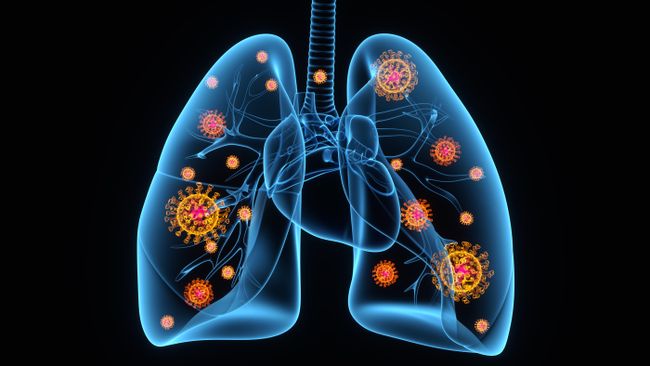
(Image: © xia yuan via Getty Images)The concern with this presentation, called “silent hypoxia,” is that patients are showing up to the hospital in worse health than they realize. But there might be a way to prevent that, according to a New York Times Op-Ed by emergency department physician Richard Levitan. If sick patients were given oxygen-monitoring devices called pulse oximeters to monitor their symptoms at home, they might be able to seek medical treatment sooner, and ultimately avoid the most invasive treatments.
“This is not a new phenomenon,” said Dr. Marc Moss, the division head of Pulmonary Sciences and Critical Care Medicine at the University of Colorado Anschutz Medical Campus. There are other conditions in which patients are extremely low on oxygen but don’t feel any sense of suffocation or lack of air, Moss told Live Science. For example, some congenital heart defects cause circulation to bypass the lungs, meaning the blood is poorly oxygenated.
However, the increased understanding that people with COVID-19 may show up with these atypical coronavirus symptoms is changing the way doctors treat them.